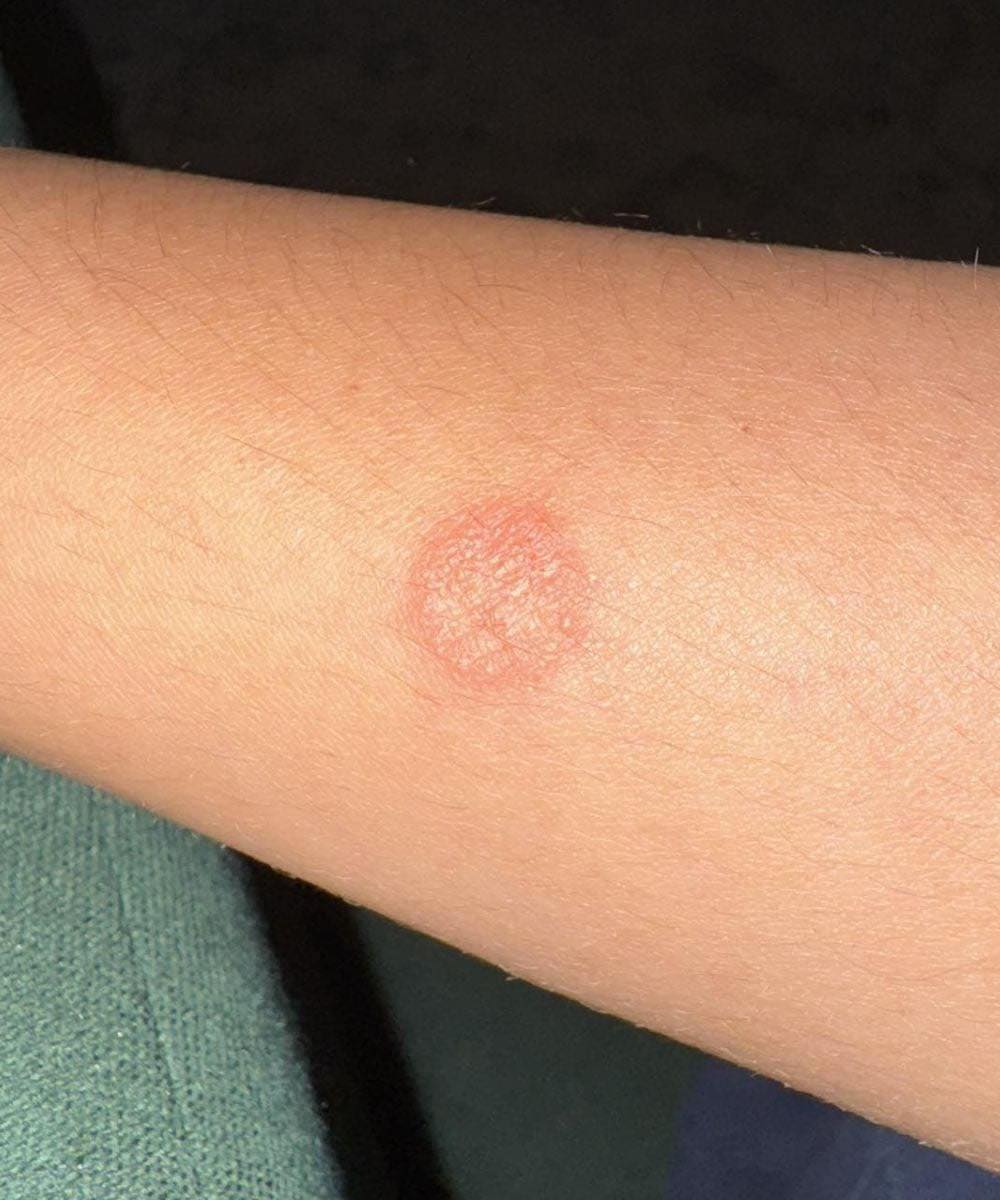
One of the most effective ways to protect your skin is also one of the simplest. Fungi prefer moisture. Keeping your skin clean and dry helps create an environment where they struggle to survive.
After bathing or washing up, take a few extra moments to gently dry areas where moisture can linger. Pay close attention to spots such as under the arms, between the toes, behind the knees, and around skin folds. Using a soft towel and patting rather than rubbing can help protect delicate skin.
If you perspire during the day, changing into fresh, dry clothing can make a real difference. Breathable fabrics like cotton allow air to circulate and help prevent moisture buildup. Loose-fitting clothes are often more comfortable and can reduce friction and irritation.
This daily habit not only supports ringworm prevention but also helps keep skin feeling fresh and healthy.
2. Wash Clothing, Towels, and Bedding Regularly
Fungal spores can linger on fabrics longer than many people realize. Clothing, towels, and bedsheets that stay damp or are reused without washing can quietly hold onto unwanted organisms.
Washing these items regularly, especially after physical activity or warm weather, helps limit the chance of transfer. Use warm water when possible and allow items to dry fully before reuse.
Sunlight can be a helpful ally. When weather allows, drying laundry outdoors exposes fabrics to fresh air and natural light. Many people find this leaves clothes feeling cleaner and more comfortable.
It is also wise to avoid sharing personal items. Towels, clothing, shoes, and grooming tools should be for individual use only. Even within families, sharing these items can unintentionally pass along skin concerns.
3. Be Mindful When Caring for Pets
Pets bring companionship, comfort, and joy, especially as we age. However, cats and dogs can sometimes carry ringworm without obvious signs. This does not mean pets are unclean or unhealthy, only that awareness is important.
Watch for small patches of missing fur, dry skin, or unusual spots on your pet. If something seems off, a visit to the veterinarian can provide guidance and reassurance.
After handling pets, washing your hands is a simple and effective habit. Keeping pet bedding clean and maintaining regular grooming routines also helps reduce risk.
There is no need to avoid your pets altogether. Thoughtful care and hygiene allow you to enjoy their company while supporting your own skin health.
