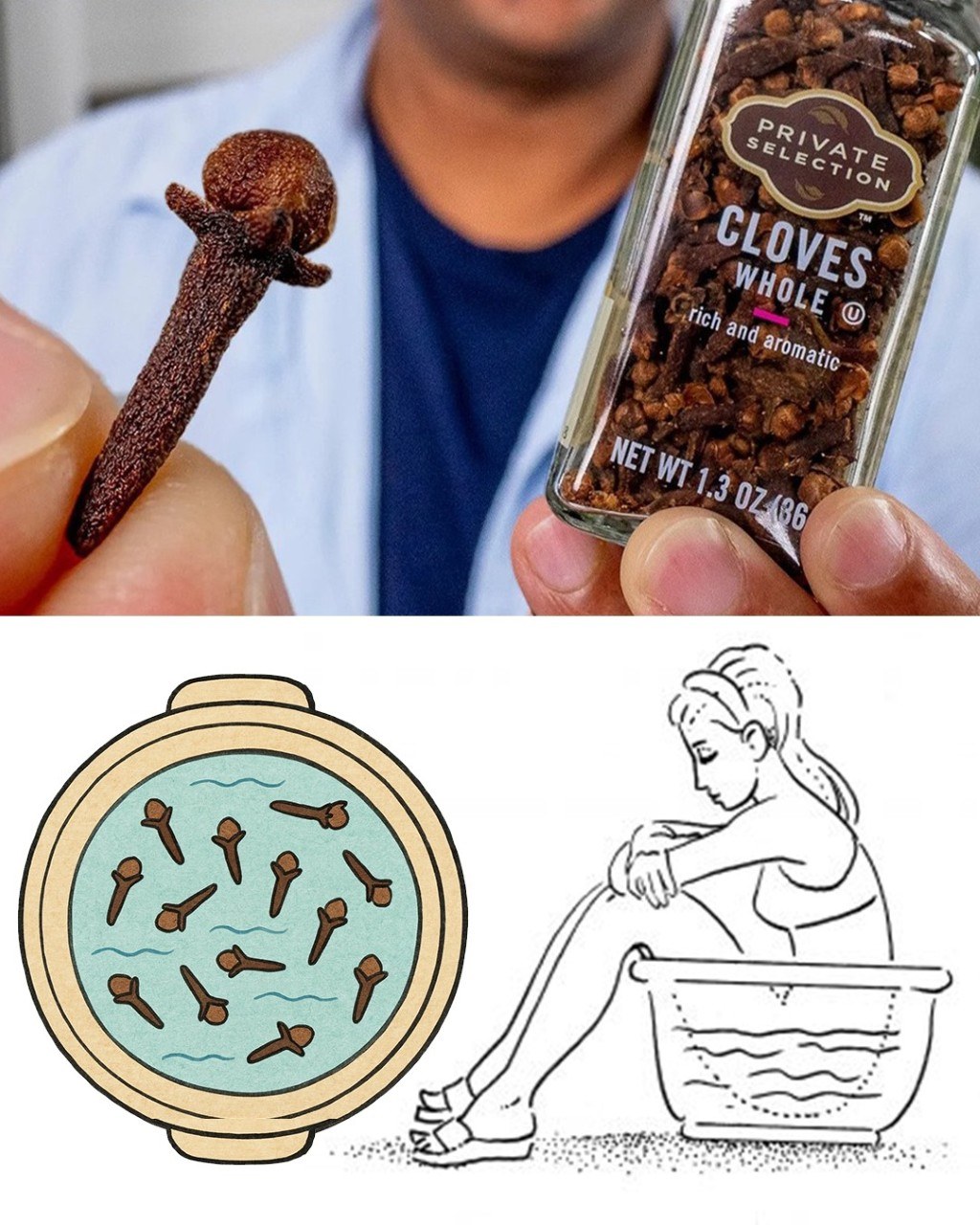
For Stomach Aches & Digestion: Clove tea is a traditional carminative, meaning it may help reduce gas and bloating. The warm infusion can be soothing.
Safe Practice: Steeping 2-3 cloves in a cup of boiling water for 5-10 minutes to make a mild tea is generally safe for most adults.
For Bad Breath: Cloves have antibacterial properties. Chewing on a single clove can temporarily freshen breath.
Important Note: This is a temporary masking solution. Chronic bad breath (halitosis) is often a sign of underlying dental issues (gum disease, cavities) or other health problems and should be evaluated by a dentist or doctor.
To Relieve Toothache: This is one of the most well-documented traditional uses. Eugenol is a mild anesthetic and antiseptic and is an ingredient in some dental cement and mouthwashes.
Critical Safety Warning: Never place pure clove oil or a whole clove directly on your gums or in a cavity. It is highly potent and can cause chemical burns, tissue damage, and increased pain. If used, it must be significantly diluted. The safest course for a toothache is to see a dentist immediately, as it indicates an infection or decay that requires professional treatment.
For Colds (as an essential oil): The antiviral and antibacterial properties of clove essential oil are studied. It is sometimes used in aromatherapy.
Critical Safety Warning: Ingesting essential oils is extremely risky and should only be done under the direct guidance of a qualified healthcare professional. Essential oils are highly concentrated and can cause severe irritation, liver damage, or toxicity. Never ingest clove essential oil. For respiratory support, diffusing a small amount in a well-ventilated room is a far safer approach.
For Urinary Infections: While a mild clove tea is unlikely to cause harm, it is not a treatment for urinary tract infections (UTIs) or kidney stones. UTIs are bacterial infections that require antibiotics prescribed by a doctor. Kidney stones require medical management. Delaying proper treatment can lead to serious, even life-threatening, complications.
Tips That Are Potentially Harmful and Not Recommended
4. Using Cloves for Intimate Hygiene (“Vaginal Steaming” or “Clove Bath”):
This practice is not recommended by gynecologists and can be dangerous.
The vagina is a self-cleaning organ with a delicate pH balance. Introducing herbs, salts, or steam can disrupt this balance, leading to irritation, infections (like bacterial vaginosis or yeast infections), and even burns from the heat.
Claims about “tightening,” changing appearance, or altering scent are not based on medical science and promote harmful misconceptions about normal female anatomy. A healthy vagina has its own natural scent.
Safe Alternative: For external intimate hygiene, warm water and a mild, unscented soap are all that is needed.
Tip Lacking Clear Evidence
For Hair Loss: There is minimal scientific evidence that a clove and olive oil infusion is effective against hair loss. While a scalp massage with oil can improve circulation and moisturize the scalp, treating hair loss requires identifying the underlying cause (genetics, hormonal, nutritional, etc.) with a dermatologist.
För fullständiga tillagningssteg, gå till nästa sida eller klicka på Öppna-knappen (>), och glöm inte att DELA med dina Facebook-vänner.
