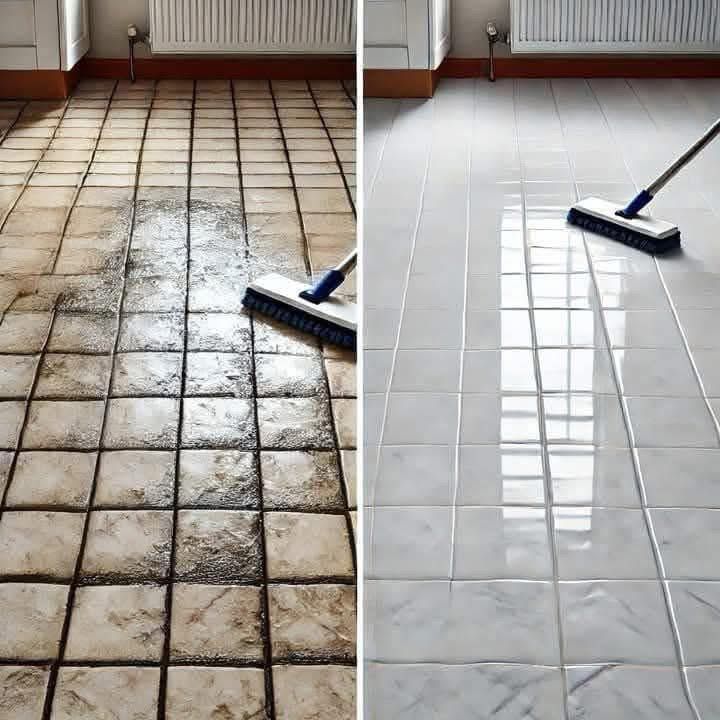
Instructions:
Mix the baking soda and hydrogen peroxide in a bowl until well combined.
Add the dish soap and stir until the mixture becomes a thick, smooth paste.
That’s it! Your tile and grout cleaner is ready to use.
How to Use It
Prep the area: Lightly wet your grout lines to help the paste stick better.
Apply the paste: Spread it directly over the grout using your fingers, an old toothbrush, or a cleaning brush.
Let it sit: Leave it on for 10 to 15 minutes to allow the ingredients to break down dirt and stains.
Scrub: Use a stiff-bristled brush to scrub the grout lines. For tighter areas, a toothbrush works great.
Rinse and wipe: Rinse with warm water and wipe clean with a damp microfiber cloth or mop.
The Results
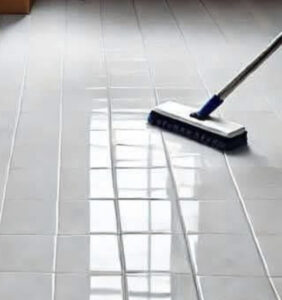
In just one application, most users see their grout go from grimy gray to a fresh, lighter tone. Stubborn stains may need a second round, but the difference is usually dramatic.
Tips for Best Results
Work in small sections so the paste doesn’t dry out before you scrub.
Don’t use too much force when scrubbing—let the ingredients do most of the work.
After cleaning and drying, consider sealing your grout to keep it protected from future stains.
When to Try Something Stronger
If you’re dealing with deeply embedded mold or long-term discoloration, you might need a stronger mix. Some people opt for a borax-based cleaner or even a diluted bleach solution—but these should be used with caution and only on non-porous tiles.
Final Thoughts
This DIY tile and grout cleaner is simple, safe, and highly effective. With just a few ingredients and a little elbow grease, you can give your floors a like-new shine—no need to rely on expensive or chemical-heavy products. It’s a natural, affordable way to brighten up your home, one tile at a time.
