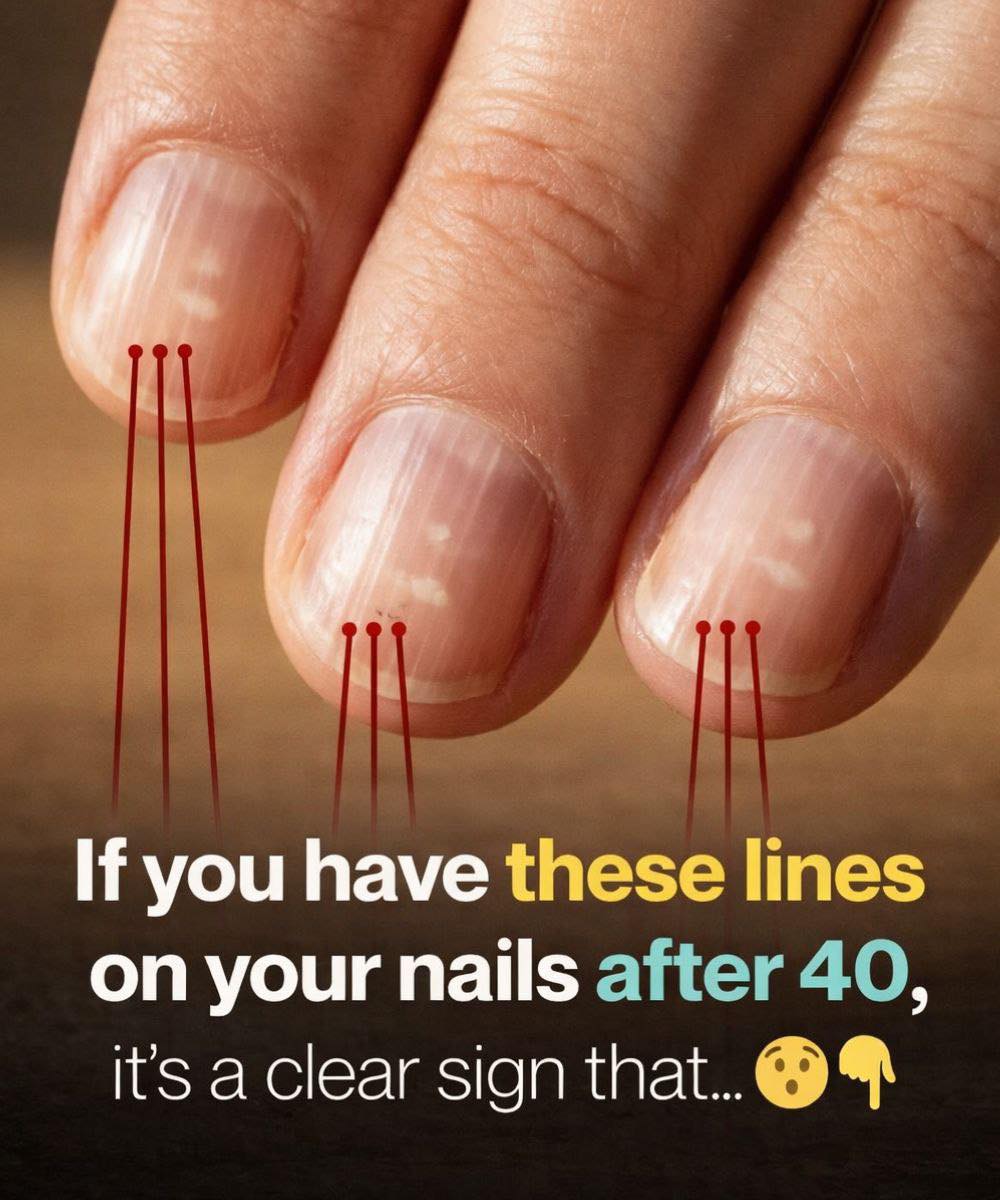
Protein is the building block of nails.
Keratin, the main structural component of nails, cannot be produced efficiently without enough dietary protein. As we age, getting adequate protein becomes even more important because the body does not use it as efficiently as it once did.
If protein intake is too low, nails may:
Grow more slowly
Peel or split easily
Feel soft or weak
Good protein-rich foods to include regularly:
Eggs
Lean poultry
Fish
Greek yogurt
Beans and lentils
Try to include a source of protein at every meal, even smaller meals or snacks. This steady intake supports ongoing nail growth and repair.
2. Biotin-rich foods: supporting thickness and resilience
Biotin, also known as vitamin B7, plays a key role in keratin production.
Low biotin levels are commonly associated with brittle, fragile nails, particularly in adults over 40. While biotin supplements are widely discussed, many people can support their intake naturally through food.
Foods naturally high in biotin include:
Egg yolks
Almonds and walnuts
Sweet potatoes
Oats
Mushrooms
Biotin works slowly and steadily. Consistent intake over time may help nails feel thicker, stronger, and less prone to splitting.
3. Iron-rich foods: preventing weak or pale nails
Iron is essential for carrying oxygen throughout the body, including to the nail bed.
As we age, iron deficiency can become more common, especially in women. Even mild deficiencies may affect nail appearance and strength.
Signs that may be linked to low iron include:
Thin or fragile nails
Nails that appear pale
Nails that curve or weaken easily
Iron-rich foods to include regularly:
Spinach and other leafy greens
Red meat in moderate portions
Lentils
Chickpeas
Pumpkin seeds
For better absorption, pair iron-rich foods with vitamin C sources such as citrus fruits, bell peppers, or tomatoes.
