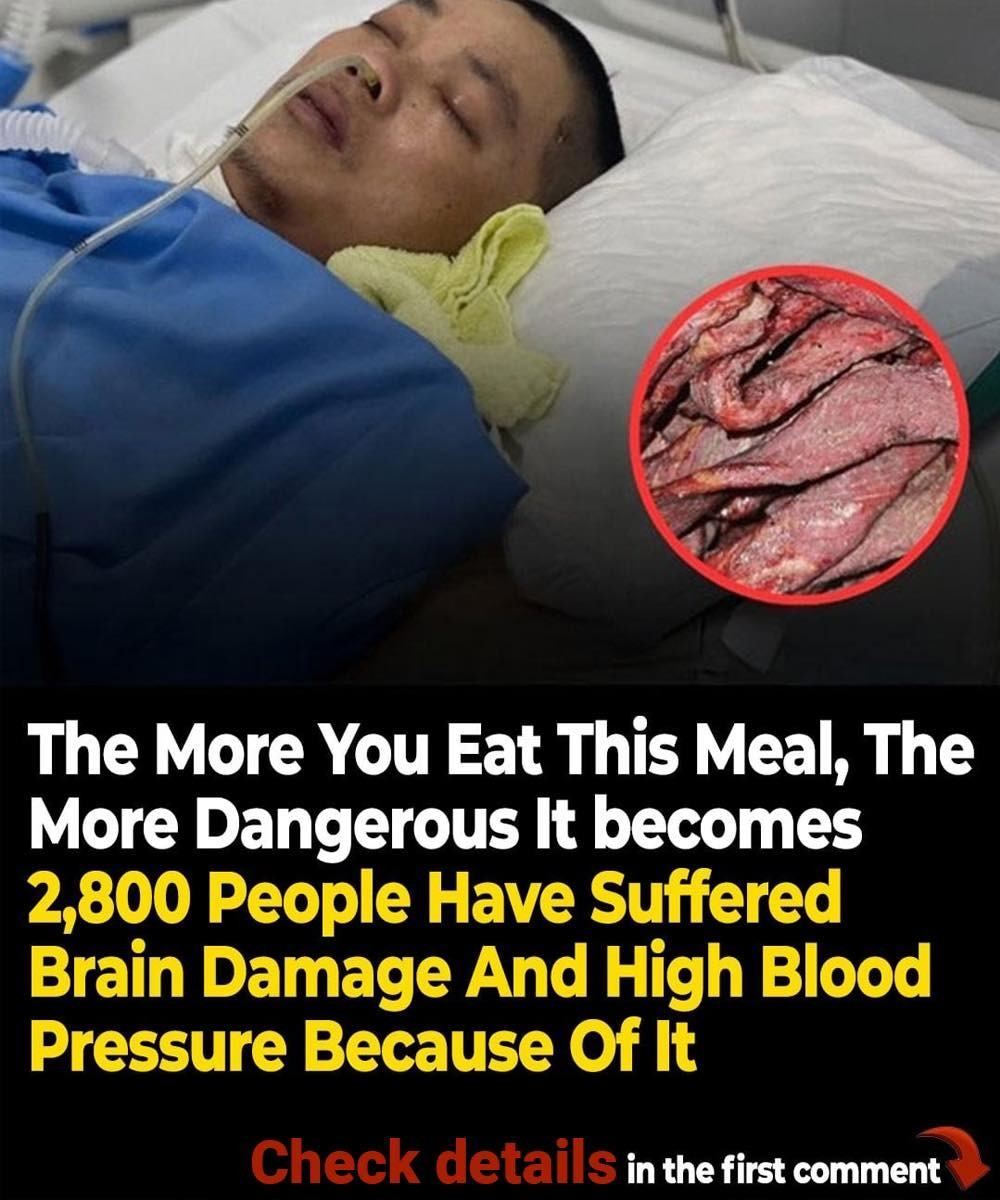
The Can.cer Link Is Not a Rumor, It Is a Formal Classification
The clearest public warning about processed meat comes from cancer research. After reviewing the scientific evidence, the International Agency for Research on Cancer, a branch of the World Health Organization, classified processed meat as carcinogenic to humans. This label reflects the strength and consistency of the evidence, not a guarantee that everyone who eats bacon will develop cancer. As the World Health Organization explains plainly, “In the case of processed meat, this classification is based on sufficient evidence from epidemiological studies that eating processed meat causes colorectal cancer.”
That conclusion carries real weight. It comes from large population studies that follow people’s diets over time and compare cancer rates at different levels of intake, while accounting for other risk factors. The WHO also addresses a frequent misunderstanding: when people hear “Group 1,” they often assume the danger is equivalent to smoking. In reality, the category indicates how strong the evidence is, not that the level of risk is the same across different exposures. Even so, the message remains clear. When a common food category reaches the threshold of “sufficient evidence” for causing colorectal cancer, the most sensible response is to cut back—especially if it has become something eaten regularly and in large amounts.
Nitrates, Nitrites, and N-Nitroso Compounds in the Gut

Many processed meats rely on curing agents such as nitrate and nitrite compounds to prevent microbial growth, preserve color, and produce the characteristic cured flavor. Once inside the body, these compounds can take part in chemical reactions that form N-nitroso compounds. Researchers pay close attention to these substances because several are carcinogenic in animal studies, and human research links conditions that promote their formation to a higher risk of cancer. The National Cancer Institute’s Cancer Trends Progress Report highlights this concern clearly:
“Studies have shown increased risks of colon, kidney, and stomach cancer among people with higher ingestion of water nitrate and higher meat intake compared with low intakes of both, a dietary pattern that results in increased NOC formation.”
This statement ties together exposure, dietary patterns, and a plausible biological mechanism, which is why it frequently appears in scientific reviews. It does not suggest that all nitrates act the same way. Vegetables also contain nitrates, but they come packaged with vitamin C, polyphenols, and fiber that may help curb harmful nitrosation reactions. Processed meat is different because curing agents are combined with heme iron, high-temperature cooking, and low-fiber diets that can alter gut chemistry. The risk is not driven by a single ingredient but by a cluster of factors that often accompany processed meat, particularly when it replaces fiber-rich foods over time.
För fullständiga tillagningssteg, gå till nästa sida eller klicka på Öppna-knappen (>), och glöm inte att DELA med dina Facebook-vänner.
